
Overview
Enhancing communication across the lifespan by integrating research and clinical practice from the biological, behavioral, and social sciences.
The University of Illinois moved to remote classes mid-semester Spring 2020 and adopted the policy that students had until the 14th week of class to choose to take their courses credit/no credit. Expanded options for credit/no credit continued for the Fall 2020 semester. The department encouraged students who had difficulties with access to technology, whose school placements or externships were disrupted or canceled, or who experienced other mitigating factors to take their courses credit/no credit.
Degree Programs
Undergraduate Programs
Masters in Speech Language Pathology
Doctor of Audiology
Doctor of Philosophy
Our Mission
Mission Statement: Enhancing communication across the lifespan by integrating research and clinical practice from the biological, behavioral, and social sciences.
Our Vision
Serve as a global leader for interdisciplinary research, education, clinical practice, and public engagement in human communication and its disabilities across the lifespan.
Our Strategic Plan
Awards & Scholarships
Applications are now being accepted for undergraduate and graduate awards and scholarships. Information about the awards can be found here.
What Will I do?
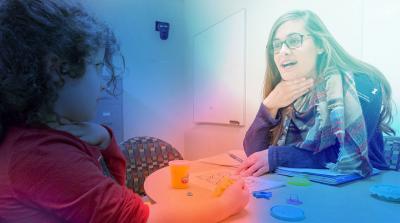
Students in Speech and Hearing Science are prepared to make a difference in the lives of people with communication impairments, either through direct services or research.
AuD students provide annual training for the Marching Illini Bandmembers on how to protect their hearing and offer free hearing screenings for all band members. This is one of many examples of opportunities our students have outside of classes and clinic to help the community.
Take the Virtual Tour of Speech & Hearing Science!
State of Illinois Telepractice Variance
The state of Illinois has granted a temporary variance to allow SLP and audiology students to count telepractice hours even if the student and supervisor are not in the same room. See the details of the variance here.
See where our alumni work:
-
School districts
-
Hospitals
-
Private practice
-
Skilled nursing facilities
-
Universities
-
Research institutes
External Supervisor Interest Form
The University of Illinois Audiology and Speech-Language Pathology Clinic is reaching out for interested external supervisors for students in the Audiology and Speech-Language Pathology Program! For undergraduates, this would take the form of job shadowing and clinical observation only. For graduate students, the external experience would involve supervision of a clinical experiences that could take many different forms. If you are interested, please complete the form below. By doing so you are not confirming that you will host a student. The purpose of this tool is to let us know that you are interested in potentially hosting a student in the future so that we can reach-out and learn more about you and the site at which you practice. Thank you for considering this learning opportunity for our students!
Announcements
Awards & Scholarships
Applications are now being accepted for undergraduate and graduate awards and scholarships. Information about the awards can be found here.
Request More Information
The Department of Speech and Hearing Science is located in:
- Speech and Hearing Science Building
- 901 South Sixth Street
- M/C 482
- Champaign, IL 61820-6206
- (217) 333-2230
- Fax: (217) 244-2235
For information regarding graduate admissions:
- SHS-grad-admissions@ahs.illinois.edu
- 901 South Sixth Street, Room 103
- 217-333-2230


